


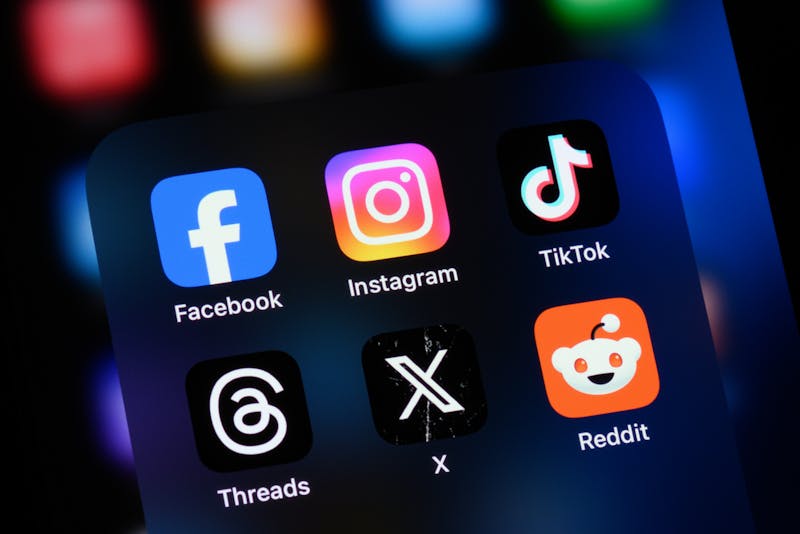
We live in an era where sharing our lives on social media has become second nature. However, if you've been injured in an accident and are pursuing a personal injury claim, your social media activity can have serious and potentially devastating consequences for your case. At The Swanson Law Group, we've seen insurance companies weaponize innocent social media posts to deny or minimize otherwise valid claims. Understanding how to handle social media in your personal injury case is crucial to protecting your rights and maximizing your recovery.
How Insurance Companies Use Social Media Against You
If you've filed a personal injury claim, the insurance company will investigate your social media presence. They have teams dedicated to searching Facebook, Instagram, Twitter, TikTok, LinkedIn, and any other platform where you have a presence. They're looking for anything, no matter how innocent, that can be twisted to make you look dishonest or to suggest your injuries aren't as serious as you claim.
The insurance company's goal is to identify inconsistencies between what you're claiming and what your social media posts suggest. If you claim severe back pain that prevents you from working, but Facebook shows photos of you at your child's birthday party, they'll argue you're exaggerating your injuries. It doesn't matter that you were in significant pain at that party and spent the next two days in bed recovering.
They'll scrutinize posts where you're smiling or appear happy, arguing that if you were really suffering, you wouldn't look cheerful. Of course, this logic is absurd. People suffering from injuries still have moments of happiness, still attend important family events, and still smile for photos. But insurance companies know that a photo of you smiling can cast doubt on the severity of your pain.
Check-ins and location tags pose particular risks. If you claim your injuries prevent you from engaging in certain activities, but Instagram shows you checked in at a gym or hiking trail, the insurance company will claim fraud, even if you were only there to watch your children or weren't participating yourself.
Insurance companies also look for statements you make about the accident, your injuries, or your recovery. An optimistic post saying "Feeling better today!" can be taken out of context to suggest you've recovered, even if you were simply having one good day after weeks of misery.
Common Social Media Mistakes That Damage Personal Injury Cases
Even if you're following your doctor's recommendations for gentle exercise or physical therapy, images of you being active can be misrepresented. A video of you swimming as part of rehabilitation can be presented as evidence that you're not actually injured. A photo of you standing at a family barbecue can suggest you don't really have the back problems you claim.
Discussing the Accident or Your Case
Comments like "The accident wasn't that bad" or "I feel responsible for what happened" can be used to argue against liability. Expressing frustration with your attorney or medical treatment can undermine your case. Posting about settlement negotiations can even breach attorney-client confidentiality.
Accepting Friend Requests from Strangers
Insurance companies have been known to create fake profiles to befriend accident victims and gain access to private posts. That friendly stranger might actually be an investigator working for the insurance company.
Failing to Adjust Privacy Settings
Privacy settings don't provide as much protection as you might think. Insurance companies can subpoena your social media records, gaining access even to posts you thought were private. If any of your friends share your posts publicly, that content can be discovered.
Deleting Posts After Filing a Claim
This is perhaps the worst mistake you can make. Deletion of posts during litigation can be considered destruction of evidence, or spoliation. This can result in serious legal consequences, including sanctions, adverse inference instructions to the jury, or even dismissal of your case.
What Your Car Accident Attorney Needs to Know
When you meet with The Swanson Law Group about your case, we need to have an honest conversation about your social media presence. We need to know what platforms you use, what kind of content you typically post, and whether you have any posts that might be problematic.
This conversation isn't about judgment. Our job is to protect you, and we can't do that effectively if we don't know what we're dealing with. It's far better for us to learn about problematic posts from you so we can develop a strategy to address them than to be blindsided when the insurance company presents them as evidence.
Social Media Discovery in Litigation
Social media content is absolutely subject to discovery in personal injury cases. The insurance company can request that you produce your social media posts, and courts have consistently ruled that this content is discoverable.
You may be required to provide login credentials to allow the insurance company's attorneys to review your private posts. You may be asked during a deposition about specific social media activity. Lying or being evasive about your social media use during discovery can destroy your credibility and seriously damage your case.
Courts have ruled that the expectation of privacy on social media is limited. Even posts you share only with friends can be considered relevant and discoverable in litigation. This is why the advice to avoid problematic posts in the first place is so crucial.
Beyond Social Media
Insurance companies may also investigate:
- Dating app profiles showing recent photos or activities
- Online gaming accounts suggesting time spent on activities requiring concentration or physical dexterity
- Fitness app data tracking your physical activity
- Online shopping history revealing purchases inconsistent with claimed injuries
- Public records including court filings, business registrations, and property records
In today's digital age, you leave data trails everywhere. Insurance companies are skilled at finding and exploiting this information.
Let Our Car Accident Lawyers Protect Your Case and Your Recovery
At The Swanson Law Group, we understand that asking you to limit your social media use adds another restriction to a life already disrupted by your injuries. However, insurance companies are looking for any excuse to deny or minimize your claim. A few moments of social media activity aren't worth jeopardizing the compensation you need for your recovery.
We'll discuss your social media presence as part of your initial consultation and throughout your case. We'll provide specific guidance tailored to your situation. We'll help you understand what activities and posts are risky and which are probably fine. And if the insurance company does try to use your social media against you, we'll fight back with context and explanation.
Remember, insurance companies have teams of adjusters, investigators, and lawyers whose job is to save the company money by paying you as little as possible. They will absolutely use your social media against you if given the opportunity. Don't give them that opportunity.
If you've been injured in an accident, contact The Swanson Law Group for a free consultation. We'll discuss not just the legal merits of your case but also practical steps you need to take to protect your claim, including how to handle social media. Our goal is to help you secure the maximum compensation you deserve while avoiding the pitfalls that can derail even strong cases. Your case is too important to risk with careless social media use. Let us help you protect your rights and your future.