
Autonomous & Autopilot Accident Overview

How The Swanson Law Group Handles Self-Driving Car Accident Cases in San Jose

Self-driving cars and driver-assist systems are no longer a novelty on San Jose streets. Waymo robotaxis now share the road with Tesla Autopilot, Ford BlueCruise, and half a dozen other systems, and when one of them is involved in a crash, figuring out who is responsible looks very different than a typical two-car accident.

Founding attorney Benjamin D. Swanson, a Top 100 Trial Lawyer, and the team at The Swanson Law Group investigate the technology behind these crashes as closely as the crash itself, working to secure medical care, preserve vehicle data, and hold the companies behind these systems accountable.

Driver Assistance vs. Fully Autonomous: Why the Difference Matters

Not every "self-driving" system actually drives itself, and the difference determines who may be held responsible after a crash.

The National Highway Traffic Safety Administration (NHTSA) classifies vehicle automation using the SAE's 0-5 scale:

  • Level 2 (partial automation): The system can manage steering, braking, and acceleration simultaneously, but the human driver remains legally responsible for the driving task and must remain attentive. Tesla FSD (Supervised), Ford BlueCruise, GM Super Cruise, BMW Highway Assistant, and Nissan ProPILOT Assist all fall under this category.
  • Level 3 (conditional automation): The system can take over more of the driving task under tightly defined conditions, and the driver may look away from the road, though they generally must be ready to retake control when prompted. Mercedes-Benz Drive Pilot is the primary example currently operating in the United States, but only in select states and under specific conditions.
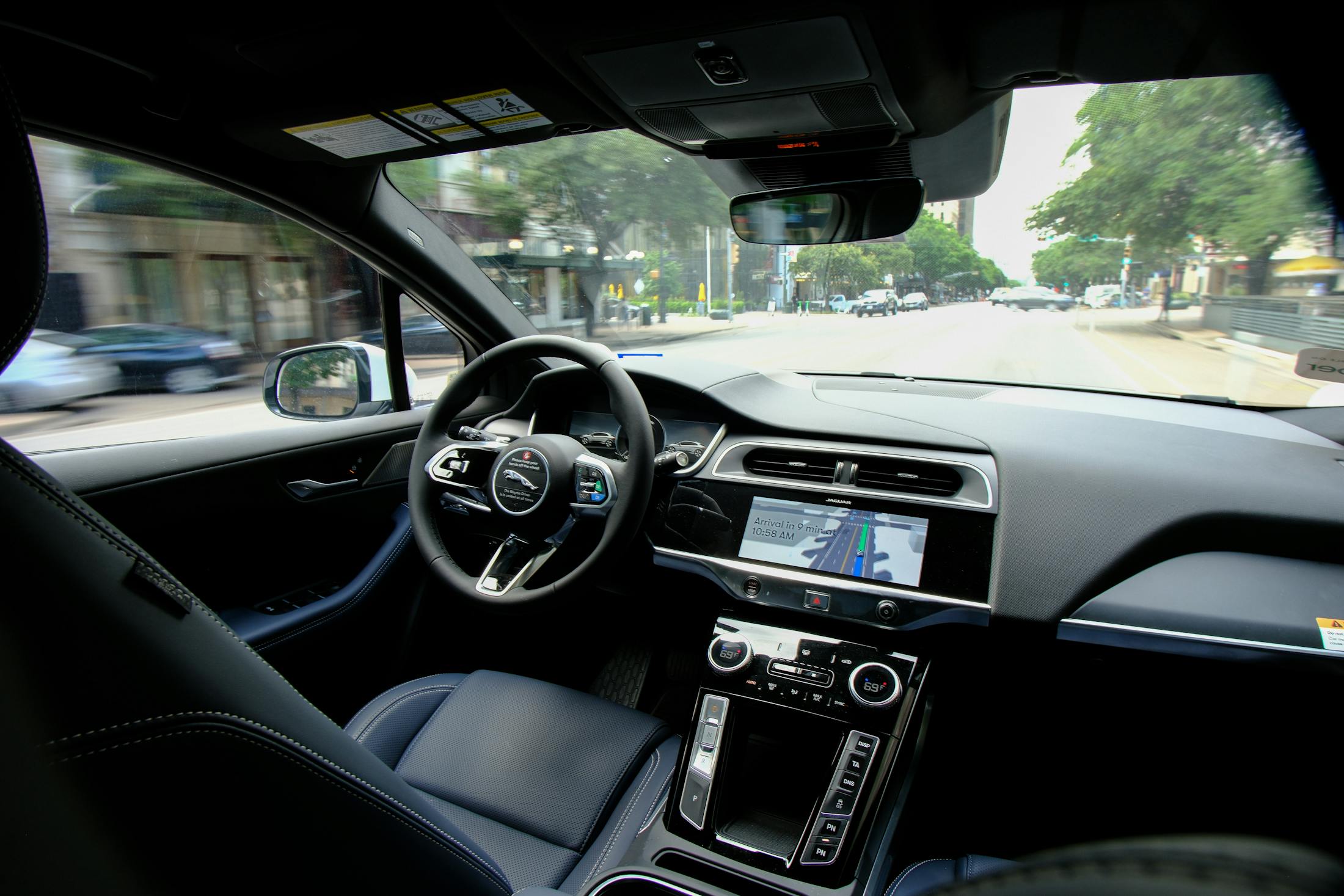
  • Levels 4-5 (high and full automation): The vehicle can operate without a human driver at all within its approved area. Waymo's robotaxi service is the clearest example on the roads of California and Texas today.

NHTSA's Standing General Order requires manufacturers and operators to report crashes involving both Level 2 ADAS and Level 3-5 automated driving systems, so there is often a federal paper trail our team can draw on when building a case.

Banner media

Self-Driving and Driver-Assist Systems on the Road Today

Several manufacturers now offer some version of hands-free or driverless technology, but their capabilities, and the legal questions they raise, are not all the same:

Tesla Full Self-Driving (Supervised)

  • A Level 2 system that can steer, brake, and accelerate on its own, but Tesla requires the driver to keep their hands available and stay ready to intervene at all times
  • Following a multi-year investigation, Tesla recalled roughly 2.03 million vehicles to strengthen driver-monitoring controls after concerns about Autopilot misuse (NHTSA Recall Report 23V-838)

Ford BlueCruise

  • A Level 2 hands-free system that operates on pre-mapped highway stretches Ford calls "Blue Zones," using a driver-facing camera to confirm the driver's eyes stay on the road (Ford BlueCruise overview)

GM Super Cruise

  • A Level 2 hands-free system available on select Cadillac, Chevrolet, GMC, and Buick models, using LiDAR-based mapping and a driver-monitoring camera across a large network of mapped highway miles

Mercedes-Benz Drive Pilot

  • Currently, the only Level 3 system approved for limited consumer use in the United States, permitting hands-off, eyes-off driving in low-speed highway traffic under specific conditions and in select states

BMW Highway Assistant

  • A Level 2 hands-free system offered as part of BMW's Driving Assistance Professional package on select models

Nissan ProPILOT Assist 2.0

  • A Level 2 hands-free system that combines adaptive cruise control, lane centering, and mapping to manage single-lane highway driving, with driver monitoring built in

Waymo and other robotaxi services

  • Fully driverless Level 4 vehicles that operate with no human driver behind the wheel within their approved service area
  • California regulators recently approved a major expansion of Waymo's driverless service area across the Bay Area, including San Jose, and into additional counties statewide (California Public Utilities Commission approval coverage)

The common thread among the Level 2 and Level 3 systems above is that a human driver may still share responsibility for a crash. With a Level 4 robotaxi, there is generally no human driver to sue, which shifts the investigation toward the company operating the vehicle.

Background media

The Regulatory Landscape in California and Texas

Autonomous and driver-assist vehicles operate under different state frameworks, and both matter to a firm with offices in San Jose, Westlake Village, and Houston.

In California, companies testing or deploying autonomous vehicles generally must:

  • Obtain the required DMV permits before testing or deploying vehicles on public roads
  • Meet the DMV's safety compliance requirements
  • Carry proof of financial responsibility under Vehicle Code §38750 and the DMV's autonomous vehicle regulations

The DMV can suspend or revoke those permits when a company violates safety or crash-reporting rules, as it did with Cruise's driverless permits following a 2023 incident (DMV Statement on Cruise LLC Suspension).

Texas generally permits autonomous vehicles to operate statewide without a human driver under Transportation Code §545.454, provided the vehicle complies with traffic laws and carries the required insurance.

Transportation network companies operating in Texas must also generally provide substantial liability coverage, often up to $1,000,000, during active rides under Insurance Code Chapter 1954.

Who Can Be Held Liable in a Self-Driving Car Accident?

These cases often involve more than one potentially responsible party, and identifying all of them can affect the amount of compensation ultimately available:

Vehicle and software manufacturers

  • Product liability and negligence claims may apply when a crash stems from flawed sensors, braking or steering logic, or a failure to warn about known limitations
  • Recall records, disengagement data, and NHTSA crash reports can support these claims

Transportation network companies (TNCs)

  • In the event of a crash during an app-hailed ride, both Texas and California have their own TNC insurance requirements that can provide a source of recovery separate from the vehicle manufacturer.

Operators, fleet entities, and maintenance vendors

  • Companies responsible for deploying, monitoring, or maintaining a fleet of autonomous vehicles may share liability for decisions regarding deployment, remote operations, or failure to remove an unsafe vehicle from service

The human driver, where one exists

  • In Level 2 and Level 3 crashes, the driver may still bear some responsibility if they misused the system or failed to intervene when required

Other drivers involved in the crash

  • As in any collision, a third-party driver's own negligence can also be a factor
Banner media

Why San Jose Trusts the Swanson Law Group for Self-Driving Car Accidents

Taking on a case involving autonomous vehicle technology requires resources and experience that most general practice firms simply do not build out. At The Swanson Law Group, Ben Swanson works alongside attorneys Zaneta Conroy, Greg Schaffer, and Jazmin Barba to collect vehicle data, regulatory filings, and safety records early, often before evidence can be lost or overwritten.

That preparation matters because these companies rarely settle quickly without it. Our team analyzes disengagement logs, driver-monitoring data, and NHTSA Standing General Order reports to understand what the system was actually doing in the moments before a crash, then uses that evidence to negotiate from a position of strength or, when necessary, take the case to trial.

Beyond the legal work, our team also connects clients with a network of physicians and specialists who can begin treatment on a lien basis, deferring payment until the case resolves, so getting the right medical care does not have to wait on the litigation timeline.

The National Trial Lawyers Top 100 media
Founder media

What Compensation May Be Available

The categories of damages available in a self-driving or driver-assist crash are generally similar to those in other serious motor vehicle cases, though proving what caused the crash often requires showing whether defective technology, negligent operation, or some combination of both was involved.

California

Under California personal injury and wrongful death law, an injured person may generally seek both economic and non-economic damages (Cal. Civ. Code §1431.2), which can include:

  • Past and future medical expenses, including rehabilitation and long-term care
  • Lost wages and reduced earning capacity
  • Property damage
  • Pain, suffering, and loss of enjoyment of life
  • For families who have lost a loved one, wrongful death damages such as loss of companionship and funeral expenses (Cal. Civ. Proc. Code §377.60)

California also generally requires companies testing or deploying autonomous vehicles to carry proof of financial responsibility as a condition of their DMV permits.

Texas

Texas crash victims may generally recover compensatory damages that can include:

Wrongful death claims may also be brought under Tex. Civ. Prac. & Rem. Code §71.004. When a crash occurs during a rideshare trip involving an autonomous vehicle, Texas law generally requires the transportation network company to carry at least $1,000,000 in liability coverage while rides are active, which can be an important source of recovery.

Both states also allow punitive damages in circumstances involving conscious disregard for safety, such as deploying software known to be unsafe, failing to remove a vehicle from service after repeated incidents, or concealing safety data from regulators.

Background media

Steps to Take After a Self-Driving Car Accident

  • Call 911 and get medical attention, even if injuries seem minor at first. Some injuries do not appear immediately.
  • Document the scene with photos of both vehicles, any visible damage, and the surrounding area, including any signage that might explain a system's confusion.
  • Note whether an automated system was in use. If you were a passenger or the other driver, try to note the vehicle's make, model, and any visible markings (such as roof-mounted sensors or company branding).
  • Get contact information from witnesses whenever possible.
  • Avoid discussing fault with the other driver, a company representative, or an insurance adjuster before speaking with an attorney.
  • Contact The Swanson Law Group promptly. Autonomous vehicle data can be limited in how long it is retained, so an early investigation matters.

Self-Driving Car Accident FAQs

Are self-driving cars legal on public roads in California and Texas?

If a Tesla on Autopilot or FSD hit me, is Tesla liable, or just the driver?

What if a Waymo robotaxi hit me? Who pays?

Has a regulator ever suspended a self-driving program over safety concerns?

Do I need a lawyer who understands autonomous vehicle data and regulations?

How do fees work?

Are self-driving cars legal on public roads in California and Texas?

Generally, yes, within each state's regulatory framework. California regulates testing and deployment through the DMV and the Vehicle Code, and Texas permits driverless operation statewide under Transportation Code §545.454, provided the applicable requirements are met.

If a Tesla on Autopilot or FSD hit me, is Tesla liable, or just the driver?

It depends on the facts. Because Tesla's systems currently require the driver to remain attentive and ready to intervene, both the company and the driver may be evaluated for liability depending on whether the system functioned as designed and whether the driver was using it appropriately.

What if a Waymo robotaxi hit me? Who pays?

Because there is generally no human driver in these vehicles, claims typically focus on the company operating the fleet and, where applicable, any transportation network company insurance requirements tied to the ride.

Has a regulator ever suspended a self-driving program over safety concerns?

Yes. California's DMV suspended Cruise's driverless permits following a 2023 incident, and federal regulators have opened investigations into other operators' crash reporting and safety practices. Regulatory history like this can be relevant evidence in a case.

Do I need a lawyer who understands autonomous vehicle data and regulations?

These cases often turn on technical evidence such as software logs, system engagement status, and regulatory filings. An attorney familiar with how to request and interpret that evidence can be an important advantage.

How do fees work?

The Swanson Law Group generally handles these cases on a contingency fee basis, meaning clients typically owe no attorney fees unless the firm recovers compensation for them.

Let The People’s Law Firm Fight For You

With offices in California and Texas, The Swanson Law Group features a 24/7 bilingual team and decades of combined trial experience, making us a leader in handling complex, high-stakes autonomous vehicle cases. When you partner with us, you receive more than just a personal injury lawyer in San Jose; you gain a dedicated team committed to your health, your case, and your pursuit of justice.

Schedule Now

Get the help you need from a team you can trust

Schedule now
Contact us media
Accessibility: If you are vision-impaired or have some other impairment covered by the Americans with Disabilities Act or a similar law, and you wish to discuss potential accommodations related to using this website, please contact our Accessibility Manager at (888) 865-9753.
Contact Us