


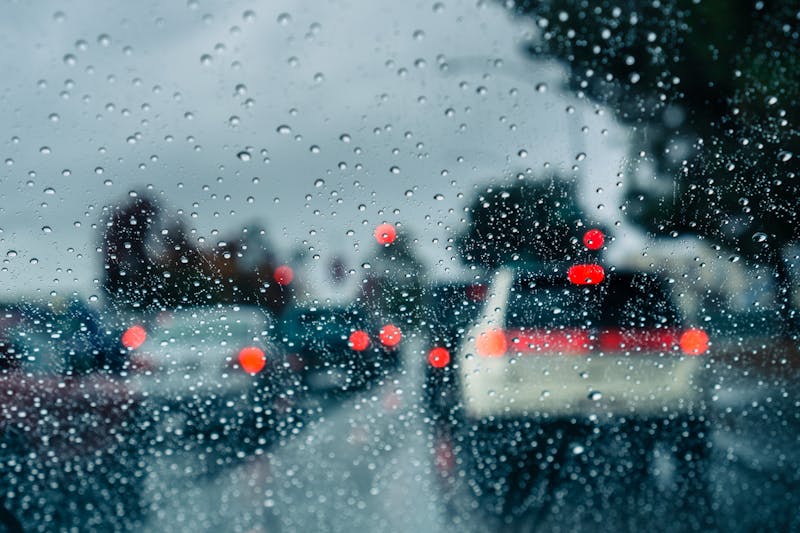
California may be known for its sunny weather, but when the rains come, our roads can become surprisingly dangerous. After months of dry conditions, the first rainfall brings a particular hazard as oil residue, tire particles, and other debris mix with water to create extremely slippery surfaces. At The Swanson Law Group, we see a significant increase in car accident cases during rainy weather, many of which could have been prevented with proper precautions.
The Hidden Dangers of Rain on California Roads
Many California drivers underestimate the risks of rain because we don't experience it as often as drivers in other states. When roads have been dry for extended periods, oil and grease from vehicles accumulate on the pavement. The first rain brings these substances to the surface, creating conditions that can be as slippery as ice. Reduced visibility is another major concern during rainstorms. Heavy rain limits how far you can see ahead, making it difficult to spot stopped vehicles, pedestrians, or road hazards in time to react. Spray from other vehicles compounds the problem, particularly when driving near large trucks that kick up massive amounts of water.
Hydroplaning represents one of the most frightening experiences a driver can face. This occurs when water builds up between your tires and the road surface, causing your vehicle to essentially float on a thin layer of water. When hydroplaning, you lose the ability to steer, brake, or accelerate effectively.
Braking distances also increase dramatically on wet pavement. What might be a safe following distance in dry conditions becomes inadequate when roads are wet. Your tires have less grip, and it takes significantly longer to come to a complete stop.
Before You Drive: Pre-Trip Safety Checks
Preparation is your first line of defense against rain-related accidents. Before getting behind the wheel during wet weather, take time for these essential checks.
Your tires are your primary connection to the road, making them critical for wet-weather safety. Check your tire tread depth regularly. Tires with worn tread cannot channel water away effectively, dramatically increasing your hydroplaning risk. A simple test involves placing a penny upside down in your tire tread. If you can see all of Lincoln's head, your tread is too shallow, and you need new tires. Proper tire inflation is equally important.
Test your windshield wipers well before the rainy season begins. If they're leaving streaks, chattering, or missing spots, replace them immediately. Wiper blades should be replaced every six to twelve months. Your windshield itself should be clean both inside and out, as dirt and film on the glass can scatter light and reduce visibility.
All your lights need to function properly during wet weather. Headlights, taillights, brake lights, and turn signals help other drivers see you in poor visibility conditions. Your defroster should also work effectively to keep your windshield clear of fog.
Driving Techniques for Wet Conditions
Once you're on the road, your driving technique becomes imperative for staying safe during rain, including:
- Reducing your speed is the single most important adjustment you can make for wet-weather driving. Posted speed limits are designed for ideal conditions. When roads are wet, you should reduce your speed by at least five to ten miles per hour, and even more during heavy rain. Slower speeds give you more time to react to hazards and reduce the risk of hydroplaning.
- Increasing your following distance provides the extra time and space you need when wet roads extend your braking distance. The standard three-second following distance used in dry conditions should be increased to at least four or five seconds in the rain. This extra space gives you room to stop safely if the vehicle ahead brakes suddenly.
- Smooth, gentle movements help maintain control on slippery surfaces. Avoid sudden acceleration, hard braking, or sharp steering movements that can cause your tires to lose traction. When you need to slow down, ease off the accelerator early and apply brakes gradually.
- Turn on your headlights whenever you use your windshield wipers. California law requires this. Headlights don't just help you see better; they help other drivers see you. However, avoid using high beams in rain as the light reflects off water droplets and actually reduces visibility.
- When possible, drive in the center lanes of multi-lane highways. Water tends to pool in outside lanes, particularly along the edges of the road. The center lanes typically have better drainage and less standing water.
Handling Hydroplaning and Skids
Despite your best precautions, you may encounter hydroplaning or skidding on wet roads. Knowing how to respond can prevent a frightening moment from becoming a serious accident.
If your vehicle begins to hydroplane, resist the urge to brake hard or steer aggressively. Instead, ease off the accelerator gently and maintain a light grip on the steering wheel. Keep the wheel pointed in the direction you want to go. Do not brake or turn sharply. As your vehicle slows, your tires will eventually regain contact with the pavement.
If your vehicle skids on wet pavement, the appropriate response depends on the type of skid. In a front-wheel skid, ease off the accelerator and avoid braking. In a rear-wheel skid where the back end slides out, steer in the direction you want the front of the vehicle to go while easing off the accelerator. This technique, called "steering into the skid," helps realign your vehicle.
What to Do After a Rain-Related Accident
Despite all precautions, accidents can still happen during wet weather. If you're involved in a collision on rainy roads, certain steps can protect both your safety and your legal rights, including:
- Seeking immediate medical attention
- Filing a police report
- Contacting The Swanson Law Group as soon as possible
Insurance companies often try to minimize payouts after weather-related accidents by claiming the weather was an "act of God" or by arguing you were driving too fast for conditions. We understand how to counter these arguments and prove when another driver's negligence contributed to or caused the collision.
Let Our Car Accident Lawyers Protect Your Legal Rights After a Rain-Related Crash
Many people mistakenly believe they have no recourse after a rain-related accident because the weather played a role. This is simply not true. Drivers have a legal obligation to adjust their driving to match current conditions. If someone is speeding, following too closely, or driving recklessly during rain, they can be held liable for resulting accidents.
Common negligent behaviors during rain include failing to reduce speed appropriately, following too closely for conditions, using bald or worn tires, driving with broken headlights or taillights, making sudden lane changes without signaling, and hydroplaning due to excessive speed. When these behaviors cause accidents, the at-fault driver can be held responsible for resulting injuries and damages.
At The Swanson Law Group, we've successfully represented numerous clients who were injured in rain-related accidents. If you've been injured in a car accident during rainy conditions, don't assume you have no legal options. Contact The Swanson Law Group for a free consultation. We'll evaluate your case, explain your rights, and fight to ensure you receive the compensation you deserve for your injuries and losses. Remember, you pay only when we win, so there's no risk in learning about your legal options.