
Explore Tesla Accident Claims

Why Time Matters in a Tesla Accident Case

The evidence that can make or break a Tesla accident case does not sit still. Tesla vehicles are required to carry an event data recorder under 49 CFR Part 563, and that evidence is more fragile than most people realize:

  • Federal regulation §563.9 allows non-deployment event data to be overwritten by a later event if the vehicle keeps being driven
  • Dashcam and Sentry Mode footage can be recorded over as the onboard storage cycles through new clips
  • A damaged vehicle sent to a body shop, insurer, or salvage yard can become harder to access the longer it sits outside an attorney's involvement

On top of that, California generally gives injured people only two years from the date of the crash to file a personal injury lawsuit, and wrongful death claims are subject to a similar deadline. Waiting to talk to an attorney does not just risk running out the clock. It risks losing the exact data that could prove what Autopilot or Full Self-Driving was actually doing in the moments before impact.

The Swanson Law Group generally sends preservation demands early in a case, requesting that Tesla, the driver, and any body shop or insurer in possession of the vehicle avoid altering or discarding the data. California law provides real teeth for this. Courts can impose discovery sanctions for the destruction of evidence under Code of Civil Procedure §2023.030, and a jury may be permitted to infer that destroyed evidence would have been unfavorable to the party who lost it under Evidence Code §413.

Tesla Autopilot vs. Full Self-Driving (Supervised): What's the Legal Difference?

Both Autopilot and Full Self-Driving (Supervised) are Level 2 driver-assistance systems under NHTSA's automation scale, meaning Tesla's own instructions require the driver to keep their hands available and stay ready to take over at any time. Neither one is legally the same as a driverless vehicle, regardless of how the names sound.

That distinction matters because it shapes who may be considered responsible for a crash:

  • If the driver misused the system (ignored alerts, used it outside its intended conditions, or failed to intervene when needed), the driver may bear primary responsibility.
  • If the system failed to perform as designed (due to a known detection failure, a software defect, or inadequate warnings), Tesla itself may be held liable for product defects, alongside or instead of the driver.
  • If Tesla's own Robotaxi service were involved, that would be a different category entirely. Some Tesla Robotaxi vehicles operate without a safety monitor in certain approved markets, which shifts the legal analysis closer to the fully autonomous framework used for services like Waymo.

Following a multi-year NHTSA investigation, Tesla recalled approximately 2.03 million vehicles to add stronger driver-monitoring controls addressing Autopilot misuse, and the agency has continued to scrutinize whether that remedy is effective (NHTSA Recall Report 23V-838). That recall history can be relevant evidence in a case involving a similar failure pattern.

Banner media

How Tesla Accidents Happen

  • Failure to detect stationary objects, including stopped vehicles, emergency vehicles, or objects at the edge of the system's design domain
  • Phantom braking, where the vehicle brakes suddenly without an apparent hazard, creating a rear-end collision risk
  • Unexpected disengagement, where the system hands control back to the driver with little warning
  • Driver overreliance, where a driver treats a Level 2 system as though it were fully autonomous, and stops paying attention
  • Use outside the system's design conditions, such as on roads or in weather the system was not built to handle
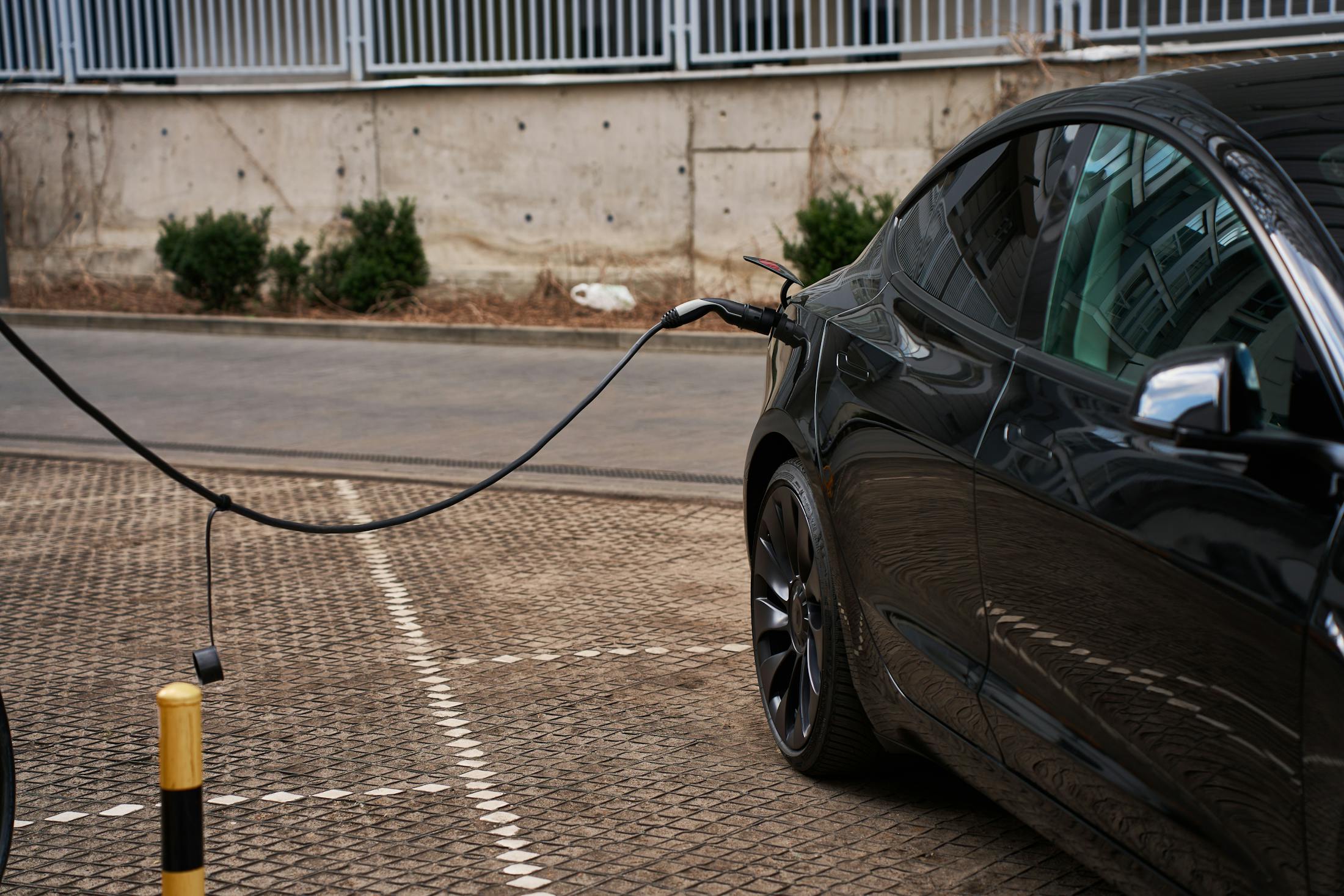
Tesla electric vehicle plugged into a charging station

Who Can Be Held Liable in a Tesla Accident?

  1. Tesla, Inc. Product liability and negligence claims may apply when a defect in the vehicle's software, sensors, or braking and steering logic contributed to the crash, or when Tesla failed to adequately warn drivers about the system's limitations.
  2. The Tesla driver. Where the driver misused Autopilot or FSD or ignored a request to retake control, they may share or bear primary responsibility.
  3. Other drivers involved in the crash. As with any collision, a third-party driver's own negligence can be a factor.
  4. Fleet or rideshare operators, in cases involving a Tesla Robotaxi or a Tesla used commercially.

Why San Jose Trusts The Swanson Law Group for Tesla Accidents

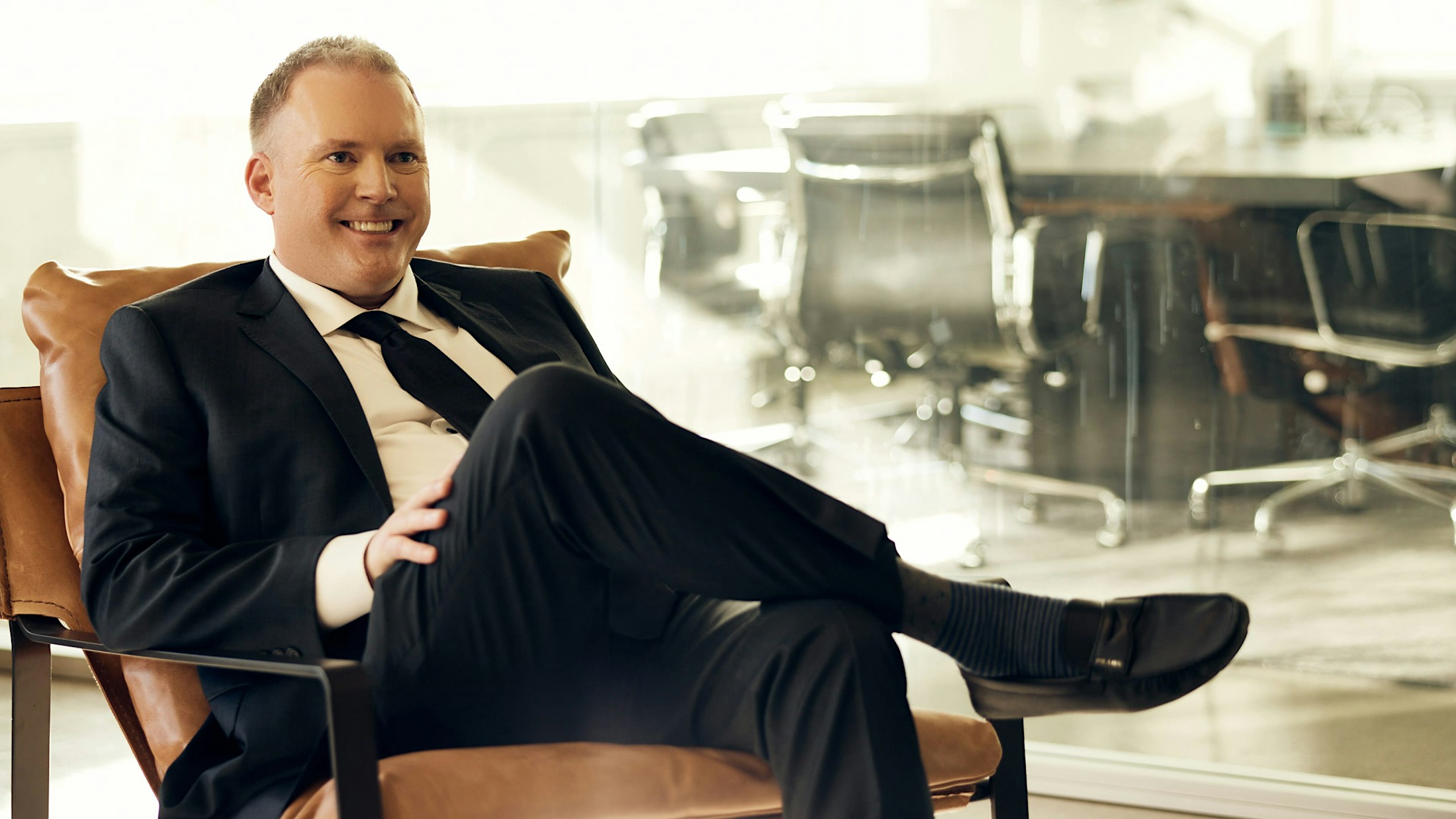
Tesla accident cases require a level of technical investigation that most general practice firms are not built to handle. Ben Swanson works alongside attorneys Zaneta Conroy, Greg Schaffer, and Jazmin Barba to request and analyze vehicle logs, disengagement data, and NHTSA recall and complaint history early in a case, often before that evidence becomes harder to obtain.

That approach extends beyond California. Ben Swanson has been asked to serve as counsel pro hac vice in cases outside California, including a Nevada matter involving a serious brachial plexus injury that resolved for $5,000,000, reflecting the kind of case complexity our firm is equipped to handle when other attorneys need a team experienced in serious motor vehicle and technology-related claims. If your firm has a Tesla or self-driving vehicle case that calls for that kind of depth, we welcome the conversation.

Our team also connects clients with a network of physicians and specialists who can begin treatment on a lien basis, deferring payment until the case resolves, so a client's health does not have to wait on the litigation timeline.

The National Trial Lawyers Top 100 media
Founder media

What Compensation May Be Available

The categories of damages available in a Tesla accident case are generally similar to those in other serious motor vehicle cases in California, though proving what caused the crash often requires showing whether the system, the driver, or both were at fault.

Under California personal injury and wrongful death law, an injured person may generally seek both economic and non-economic damages (Cal. Civ. Code §1431.2), which can include:

  • Past and future medical expenses, including rehabilitation and long-term care
  • Lost wages and reduced earning capacity
  • Property damage
  • Pain, suffering, and loss of enjoyment of life
  • For families who have lost a loved one, wrongful death damages such as loss of companionship and funeral expenses (Cal. Civ. Proc. Code §377.60)

Get the help you need from a team you can trust

Schedule now

Steps to Take After a Tesla Accident

  • Call 911 and get medical attention, even if injuries seem minor. Some injuries take hours or days to appear.
  • Photograph both vehicles, the surrounding scene, and anything that might explain the crash, including road markings, weather, or signage.
  • Note whether Autopilot or Full Self-Driving was active, if you are the Tesla driver, or ask about it if you were in another vehicle involved.
  • Preserve your own vehicle's data by avoiding unnecessary driving and not authorizing a repair or salvage sale until an attorney has had a chance to arrange for data preservation.
  • Get witness contact information whenever possible.
  • Avoid discussing fault with the other driver, Tesla, or an insurance adjuster before speaking with an attorney.
  • Contact The Swanson Law Group promptly. Every day that passes is a day closer to data being overwritten and the statute of limitations running.

Let’s Fight Back

The Swanson Law Group, with offices in California and Texas, offers a 24/7 bilingual team and decades of combined trial experience to handle complex cases involving Tesla and self-driving vehicles effectively. When you choose to work with us, you not only gain a personal injury lawyer in San Jose, but also a dedicated team that is committed to your health, your case, and your pursuit of justice.

Schedule Now

Banner media

Tesla Accident FAQs

Is Tesla Autopilot the same as a self-driving car?

If I was hit by a Tesla using Autopilot or FSD, can I sue Tesla directly?

How long do I have to file a claim after a Tesla accident in California?

Can Tesla's crash data really be lost if I wait too long?

Does The Swanson Law Group handle Tesla cases referred from other attorneys?

How do fees work?

Is Tesla Autopilot the same as a self-driving car?

No. Autopilot and Full Self-Driving (Supervised) are Level 2 driver-assistance systems. Tesla's own guidance requires the driver to keep their hands available and stay ready to take over at any time.

If I was hit by a Tesla using Autopilot or FSD, can I sue Tesla directly?

It depends on the facts. Both the driver and Tesla may be evaluated for liability, depending on whether the system functioned as designed and whether the driver used it under its intended conditions.

How long do I have to file a claim after a Tesla accident in California?

California generally allows two years from the date of the crash to file a personal injury lawsuit, though certain circumstances can affect that deadline. An attorney can confirm the timeline that applies to your situation.

Can Tesla's crash data really be lost if I wait too long?

Yes, in some circumstances. Federal regulation allows certain non-deployment event data to be overwritten by later driving, and dashcam or Sentry Mode footage can be recorded over as storage cycles progress. Prompt legal action can help preserve it.

Does The Swanson Law Group handle Tesla cases referred from other attorneys?

Yes. Our team has experience with complex, technology-driven motor vehicle cases, including serving as pro hac vice counsel in matters outside California, and we welcome inquiries from attorneys who need additional depth on a Tesla or self-driving vehicle case.

How do fees work?

The Swanson Law Group generally handles Tesla accident cases on a contingency fee basis, meaning clients typically owe no attorney fees unless the firm recovers compensation for them.

Get the help you need from a team you can trust

Schedule now
Contact us media
Accessibility: If you are vision-impaired or have some other impairment covered by the Americans with Disabilities Act or a similar law, and you wish to discuss potential accommodations related to using this website, please contact our Accessibility Manager at (888) 865-9753.
Contact Us